What I Would Never Do Again as a Pinterest Manager
When I first started working with Pinterest, I tried everything at once. I wanted to reach as many people as possible and squeeze every bit of potential out of each post. But over time, I realized there are things that actually slow growth, hurt reach, and drain energy. Today, I’m sharing what I would never repeat — and why this matters for beauty brands.
1. Posting too much and too chaotically
In the beginning, I thought: the more pins, the better. I could upload dozens of images in one day and then disappear for a week. The result? The algorithm couldn’t understand my posting rhythm, reach dropped, and it took a long time to recover. Now I know — Pinterest loves consistency. Better to post less, but regularly, than to dump content all at once.
2. Reusing the same images over and over
I assumed changing the title was enough to reuse the same photo. Technically it’s possible, but the impact is much lower. Pinterest values freshness. Once a visual has been used too often, it stops performing, and the algorithm prioritizes new imagery.
3. Ignoring analytics
At first, I barely checked Pinterest Analytics. Big mistake — that’s where I could have seen which pins were driving traffic and which were just sitting there. Now I monitor my stats regularly and adjust my strategy immediately.
4. Forgetting about keywords
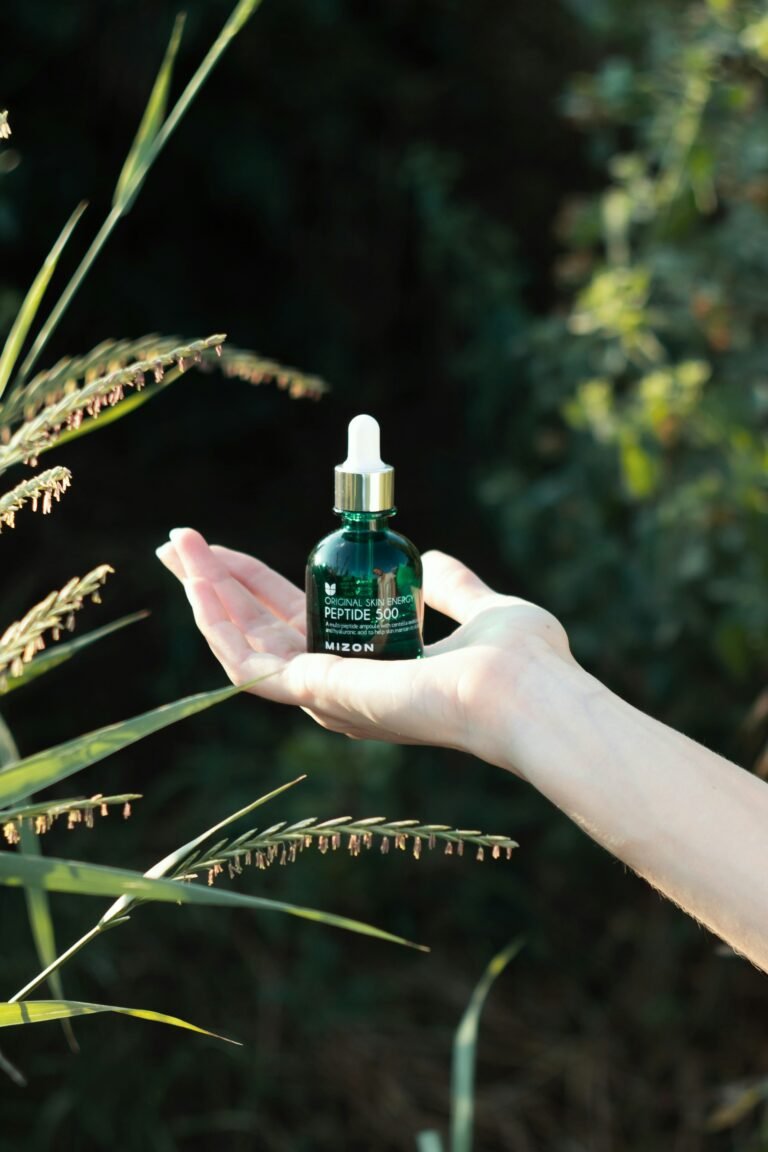
I used to post pins with pretty but vague descriptions like “My favorite lipstick.” Now I understand: Pinterest is a search engine. Without keywords, your pins won’t be found by people searching for “matte evening lipstick” or “brightening face serum.”
5. Overloading designs with text
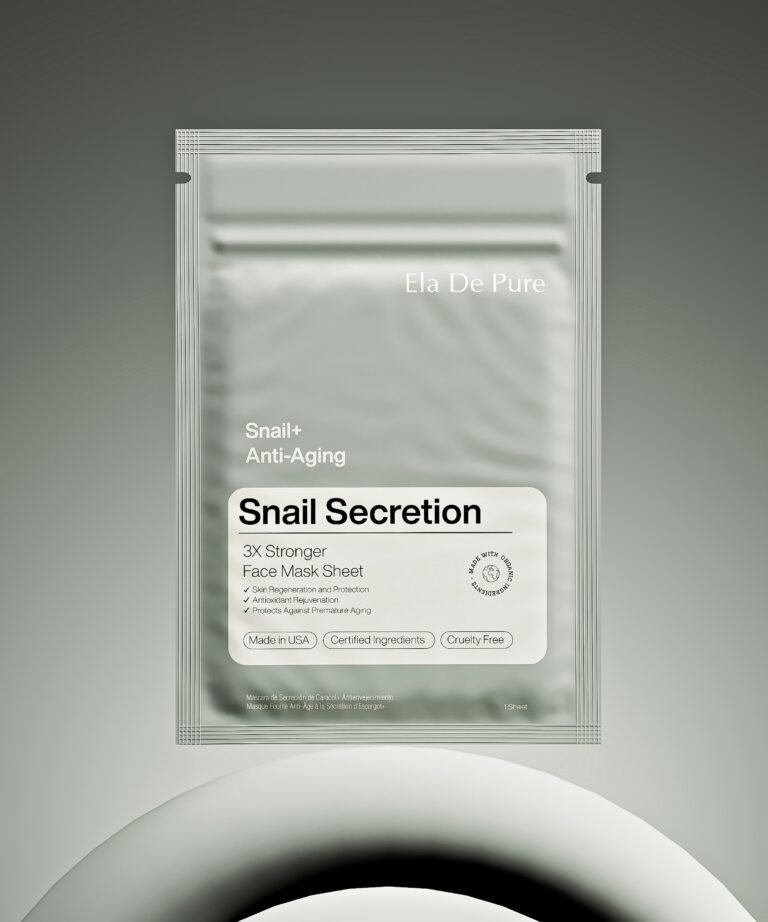
I wanted to fit everything in: product name, benefits. But overloaded pins look cluttered, lose click-through rate, and push users away. Now I keep visuals clean, focus on the product, and put details in the description.
6. Not testing different formats
For a long time, I only posted static images. But video pins often perform better — especially in beauty, where demonstrating the product matters. Now I test formats and see what works best for each brand.
7. Ignoring seasonality
I used to post Christmas collections in mid-December and summer picks in July. The problem is Pinterest users plan ahead. Now I publish seasonal content at least 1–2 months before the event.
Final takeaway
Pinterest rewards those who play the long game, plan ahead, and analyze results. Mistakes are part of the learning process, but some cost too much in lost reach and wasted time. If you own a beauty brand, learn from others’ missteps. Plan your content, track analytics, keep visuals fresh, and stay consistent — that’s how your pins will work for you instead of just taking up space in the feed.
Save this pin to come back to the article later.