From Awareness to Sales: The 3 Pin Types That Drive Beauty Brand Growth on Pinterest
For a beauty brand, Pinterest is not just a pretty gallery — it’s a marketing tool. It can work in different ways: build brand awareness, drive traffic, or create a long-term base of loyal customers. And to get results, you need to understand what type of pins fit each goal. There are three main categories: impressions, clicks, and saves.
Pins for Impressions
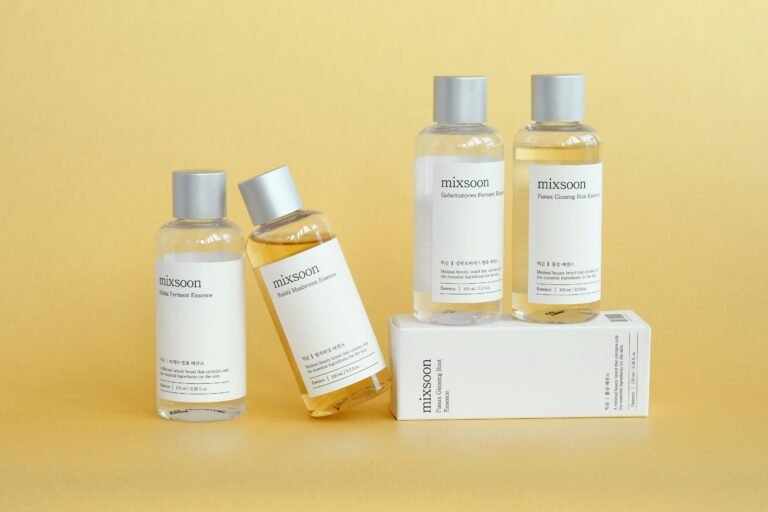
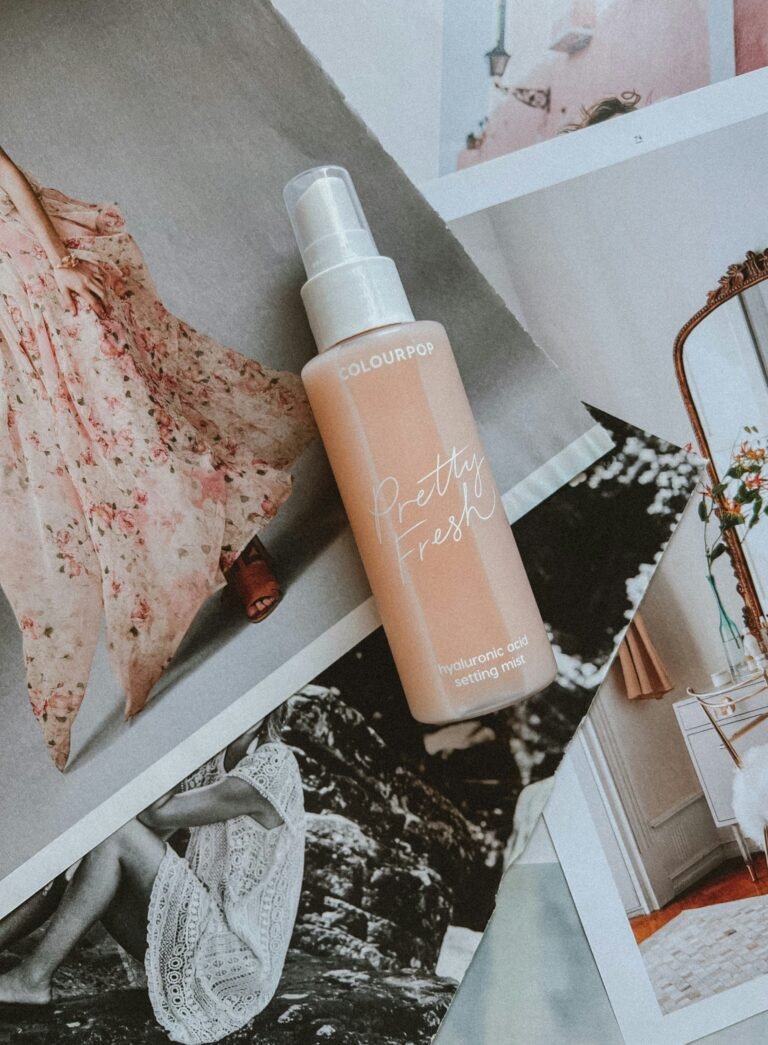
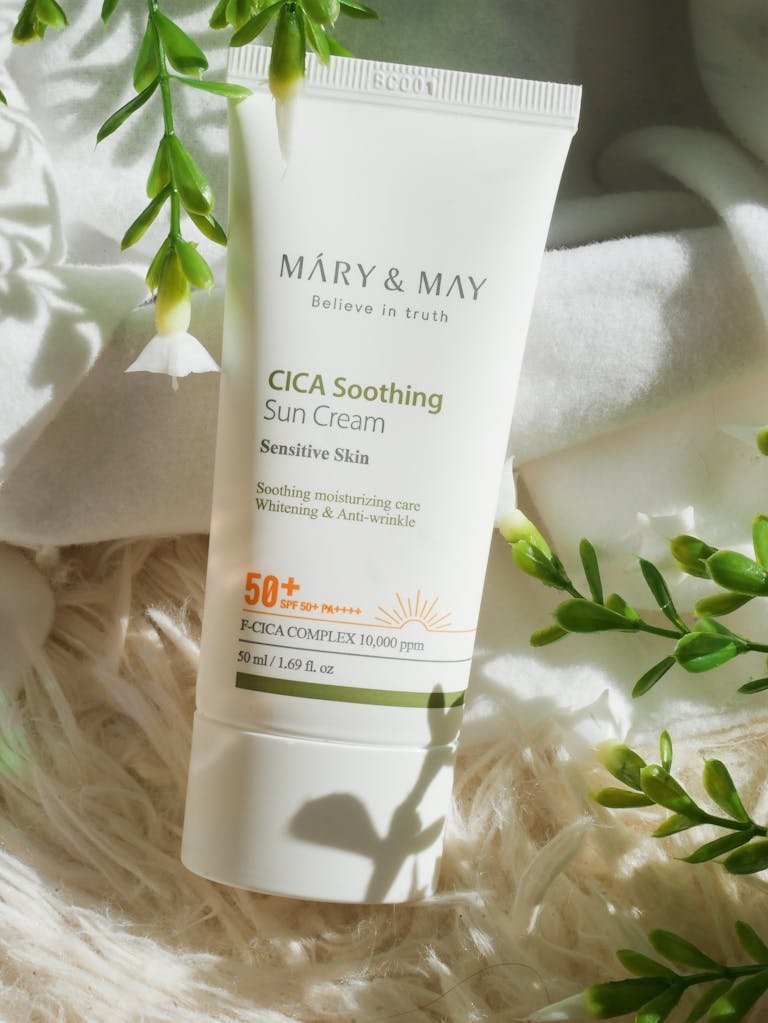
These pins work for awareness. Their job is to reach as many people as possible, even if they’re not ready to buy. Imagine a user scrolling through the feed and seeing an atmospheric photo of a cream on a marble shelf with flowers. They may not click, but the image will stick in their mind. Next time they see your brand, they’ll recognize it.
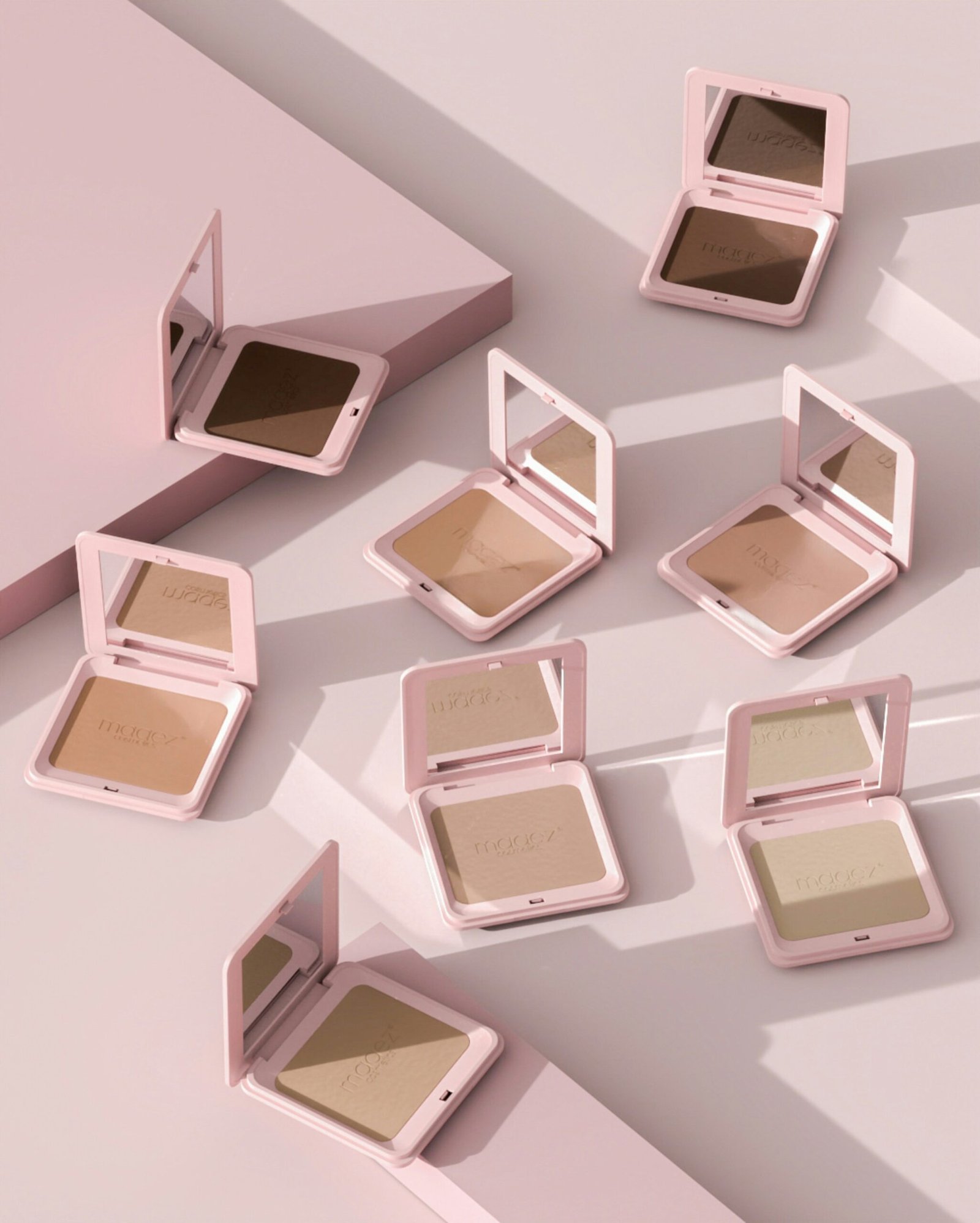
To make impression-focused pins effective, they need strong visuals: close-ups of textures (a glowing drop of serum, scattered powder, glossy lipstick), trend-driven styles (“clean girl,” “no makeup makeup,” “glass skin”), or seasonal vibes (freshness in summer, cozy protection in winter).
Text on the image is secondary here. Keep it minimal — “new,” “must-have,” “for glowing skin.” What matters is the visual impact and the keywords in your title. If Pinterest’s algorithm sees your pin tied to trending searches, it will push it to more people.
Pins for Clicks
When the goal is traffic, your approach should change. The user needs to feel that clicking will give them something valuable. Examples:
— “Moisturizer for dry skin that actually works”
— “Vitamin C serum: before & after”
— “How to apply our new SPF gel the right way”
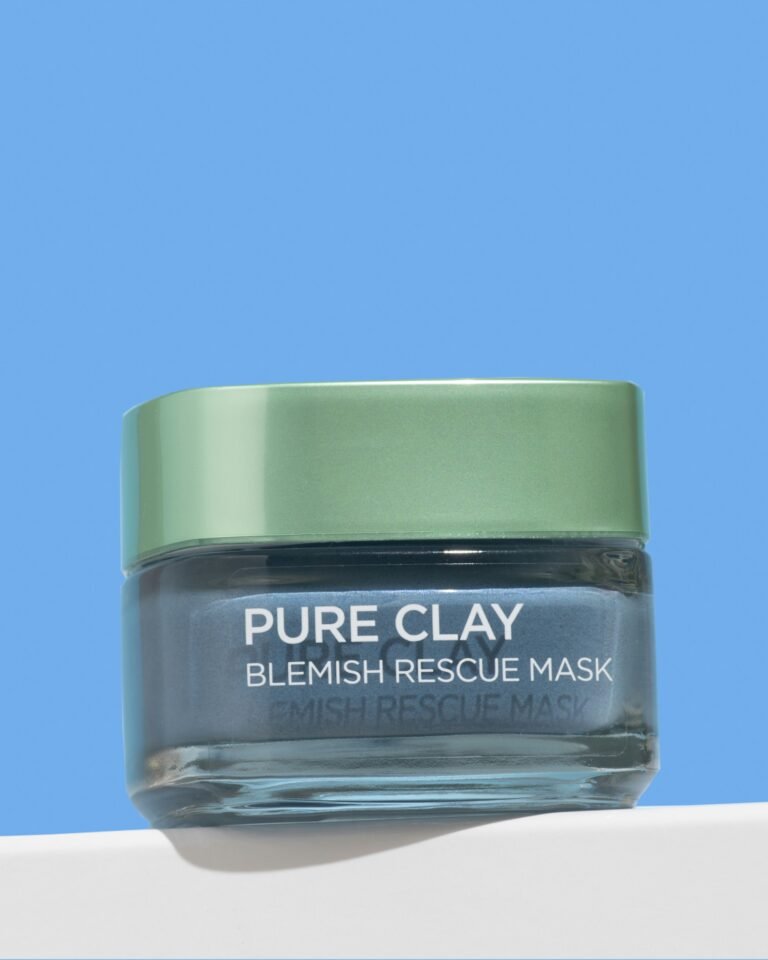
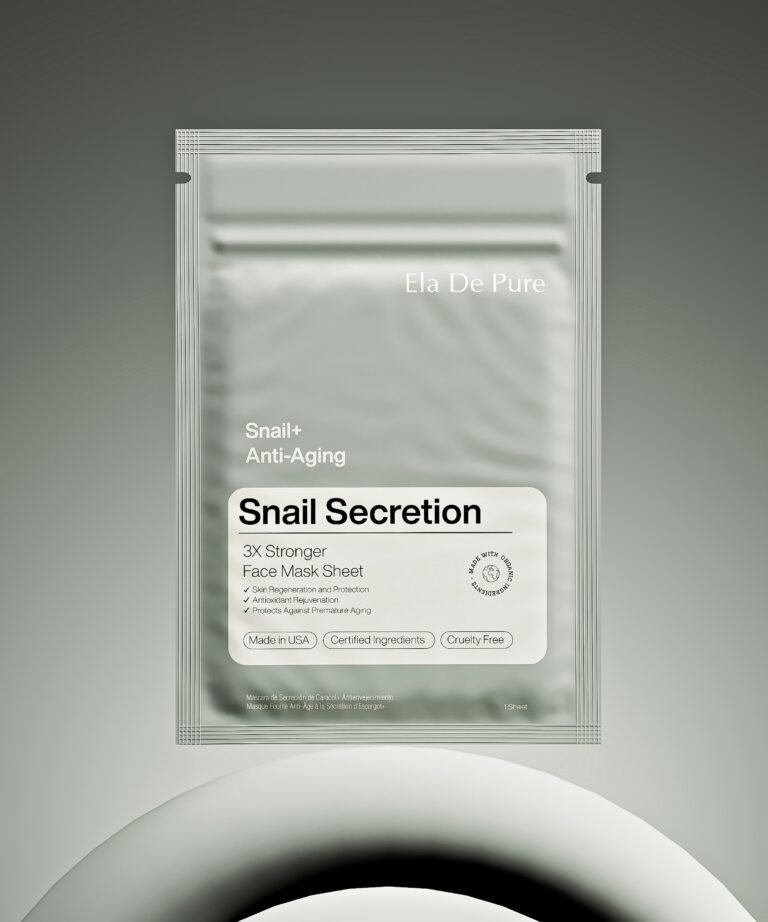
Pins with clear benefit statements perform well. A short text overlay like “24h hydration,” “for problem skin,” “instant glow” can make all the difference. These pins promise solutions.
Another strategy is to create a series of pins for one product. For a new foundation, one pin could show its lasting power, another its light texture, another a before/after comparison. Each brings clicks, together they create a funnel of interest.
And the link matters: don’t send users to the homepage. Link directly to the relevant product or blog post. The fewer steps between interest and purchase, the higher the conversion.
Pins for Saves
These pins live the longest. People save content they want “for later.” For a beauty brand, that could be: “5 steps of morning skincare,” “How to layer serum and cream,” “Best looks with our new eyeshadow palette.” Saves mean your brand will reappear in their boards days, weeks, or months later.
Formats that encourage saves include:
— Infographics (skincare routines, step-by-step guides)
— Carousels (multiple tips or images in one pin)
— Checklists (“travel skincare must-haves”)
The key is to deliver value within Pinterest itself. That’s what motivates a user to save.
What About Video Pins?
Video pins can work in more than one category — mainly impressions and clicks.
Short, trendy, eye-catching clips (like applying highlighter in 5 seconds or swatching new shades) perform well for impressions. The algorithm favors video and often promotes it more heavily.
Longer, informative videos (mini tutorials, ingredient breakdowns, application tips) drive clicks. Users see the real product in action and want to learn more.
For saves, video pins can also be effective if they’re educational — for example, “1-minute morning routine.” But their strongest role is usually to grab attention quickly and send traffic.
Why You Shouldn’t Mix Goals
A common mistake is trying to make one “universal” pin that does everything: looks nice, drives clicks, gets saved. The result is weak across the board.
Pinterest rewards clear signals. If a pin is designed for impressions, it will scale reach. If it’s designed for clicks, it will optimize for CTR. If it’s designed for saves, it will surface to collectors. Define the purpose, and your metrics will grow.
Strategy Example for a Beauty Brand
Let’s say you’re launching a new line of serums. Here’s how to use different pin types:
— Start with impression pins: stylish product shots in interiors and short teaser videos. They build brand awareness.
— Add click pins: benefit-focused images with overlays and tutorial-style videos showing the serum in action. Each links directly to its product page.
— Finish with save-focused pins: a carousel on “night skincare routine,” an infographic on “ingredient layering,” or a guide like “7 days to glowing skin with our serum.”
This way, you’re covering all stages: some users just see your brand, others click through, and others save and come back later.
Conclusion
Pinterest is not a place for random posting. Every pin should have a goal: impressions, clicks, or saves. Video pins can fit all three, but they shine most when used for awareness and traffic. The clearer your intention, the better the algorithm works for you. For beauty brands, this means your pins stop being “just pretty images” and start working as a strategic sales and growth tool.